

A guide to downsizing your home
There comes a point when a house stops fitting your life. The children have left, the spare rooms collect dust, and the garden that once hosted summer barbecues now takes up every other Saturday morning. Downsizing is not about settling for less. It is about choosing a home that matches the life you actually live now, rather than the one you lived 10 years ago.
Is it the right time?
A few honest questions will tell you more than any market report. How many of your rooms do you use in a typical week? When did you last go upstairs for anything other than bed? Could you maintain the house comfortably for the next five years, or is it already starting to feel like a job?
If you are rattling around in a four-bedroom home and spending your weekends on upkeep you no longer enjoy, downsizing is worth serious thought. The practical benefits are real: fewer rooms to heat, less to clean, lower maintenance costs, and often a meaningful sum of money freed up from the difference in property values.
The financial picture
The average UK house price stood at £272,000 in June 2026, according to the latest Land Registry figures. If you are moving from a larger property to a smaller one, the gap between your sale price and your purchase price could release a significant amount of equity. For many downsizers, that is the whole point: less house, more financial freedom. Whether that means topping up a pension, helping children onto the property ladder, or simply having a more comfortable retirement, the sums can be transformative.
Be realistic about the costs involved, though. Conveyancing, surveys, removal firms, stamp duty, and any refurbishment at the other end all add up. A good rule of thumb is to set aside around 3 to 5 percent of your purchase price for transaction costs alone. Ask your solicitor or estate agent to walk you through the numbers early so there are no surprises.
Think about how you want to live

This is where downsizing gets interesting, because it is not just a financial decision. It is a chance to rethink how you spend your time.
Maybe you have always wanted to live closer to the coast, but the family home kept you near schools and a commute. Maybe you want to be within walking distance of a town centre instead of relying on a car. Maybe you want a flat with a balcony and no garden at all, or a cottage with a small courtyard and a pub around the corner. Downsizing gives you permission to choose a home based on the life you want now, not the one you needed 20 years ago.
Think about the things that matter to you day to day. A morning walk. A café you could become a regular at. A gym or a pool nearby. Easy access to a train station for visiting grandchildren or getting into the city for a show. The right location can add more to your quality of life than a spare bedroom ever will.
What to keep, what to let go
The practical side of downsizing means confronting your belongings. A smaller home will not accommodate everything you currently own, and that is fine. Start early, room by room, and sort things into what you use, what you love, and what you are keeping out of habit. The third category is usually the largest.
Selling surplus furniture and items you no longer need can bring in useful cash, and there has never been an easier time to do it. Online marketplaces, local auction houses, and charity shops all work. The lighter you travel, the simpler the move, and the faster you settle into your new home.
One practical point: measure your key pieces of furniture before you start viewing properties. A sofa that fits a large living room will not always fit through a narrower doorway, and knowing what works before you fall for a property saves a lot of frustration on moving day.
Energy costs and the smaller home advantage
One of the quieter benefits of downsizing is what it does to your energy bills. Heating a four-bedroom detached house through a British winter is expensive. Heating a well-insulated two-bedroom flat or house costs a fraction of that. Fewer rooms, less exterior wall, and modern insulation all make a difference, and the savings can run to hundreds of pounds a year.
When you are viewing properties, ask about the energy rating. It is not just a piece of paperwork. It is a direct guide to how warm the home will be in January and how much you will pay to keep it that way. A home that costs less to run gives you more to spend on the things you actually enjoy.
Location: an open door
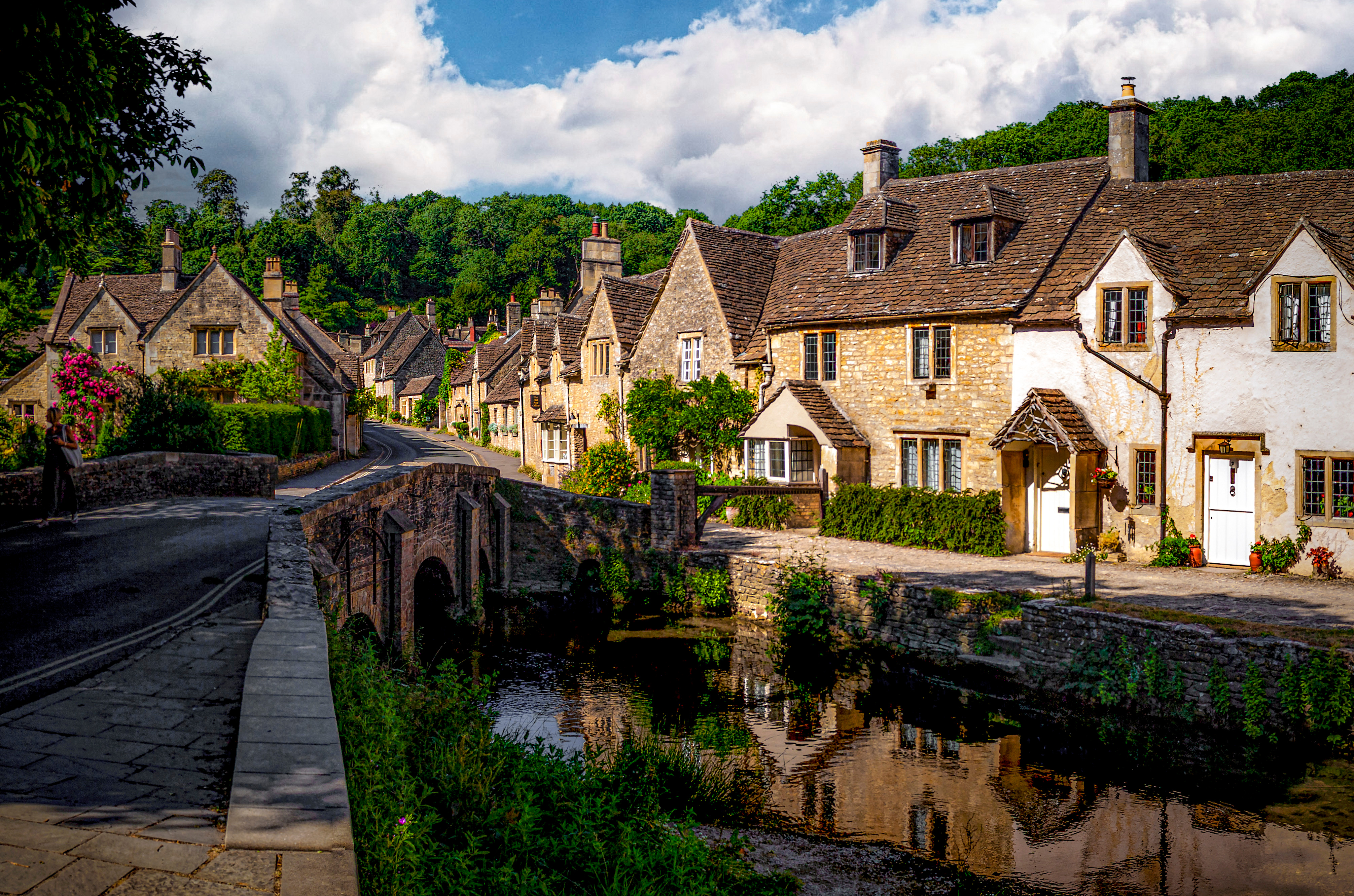
Downsizing can change the areas you can afford to live in. A three-bedroom house in a smaller village might buy you a beautifully finished two-bedroom flat in a popular market town or a coastal spot you have always liked. The geography of your search can widen in ways that were not possible when you needed four bedrooms and a school catchment area.
If you are considering moving to a different part of the country, spend time there first. Visit midweek, not just on a sunny Saturday. Walk around in the evening. Try the local pub. Check how far it is to a decent supermarket, a GP surgery, a pharmacy. The things that make somewhere pleasant to visit are not always the things that make it pleasant to live in full time.
Take your time
Downsizing is a big decision, and there is no rush. The best moves happen when you have a clear sense of what you want, a realistic budget, and the patience to wait for the right property rather than jumping at the first thing that roughly fits.
Talk to a local estate agent early in the process, even before you put your own home on the market. They can give you a realistic valuation, show you what is available at your price point, and flag anything about the local market that might affect your timing. A good agent will also help you understand what buyers are looking for in your current home, so you can present it at its best when the time comes.

The Guild is a UK-wide network of hand-selected independent estate agents across the UK. Whether you are buying, selling, letting, or renting, explore where our Members are.